01 / Problem
Problem
Everyone agreed: the process needed to be faster. The research found a different problem to solve first.
Going in, the assumption was simple: get customers from enquiry to settlement faster. Business, lenders, and customers all felt this pain, just from different angles.
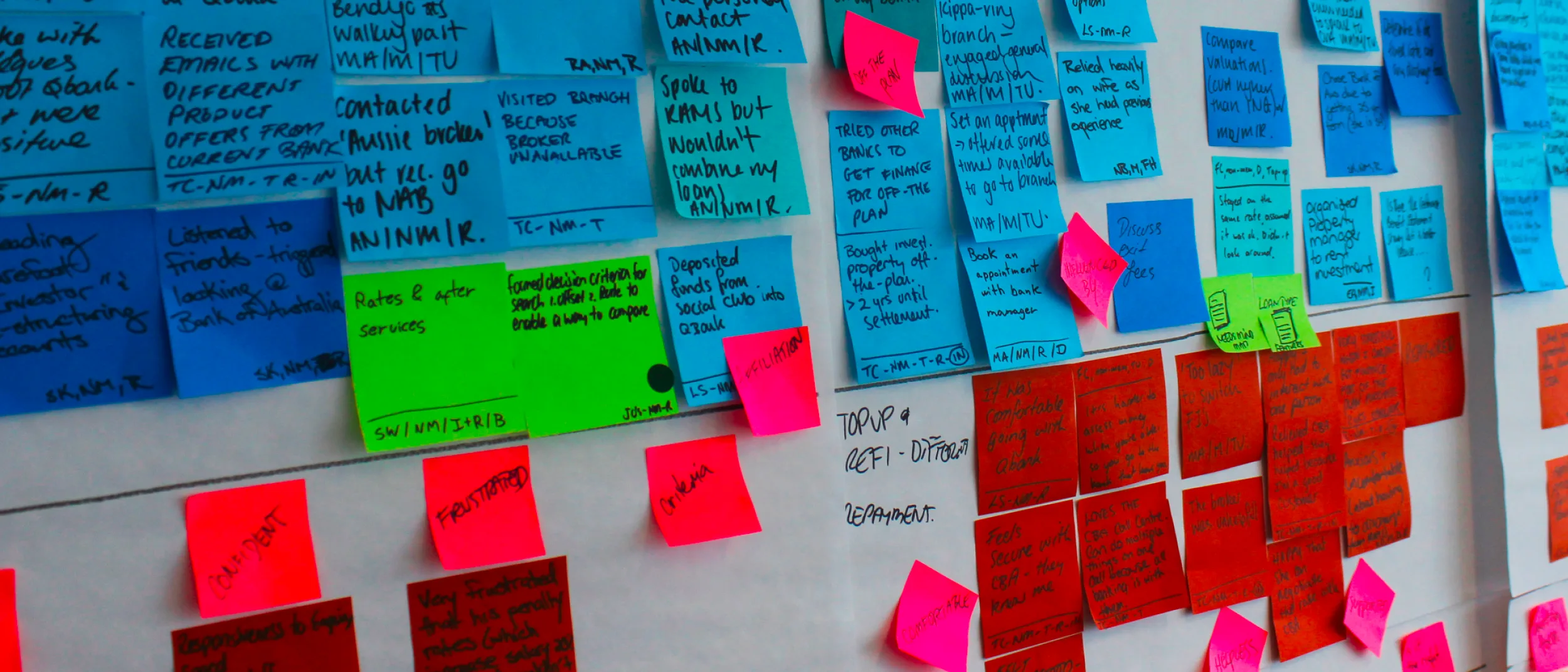
Twelve weeks of research, interviews across the country, journey mapping, and workshops, found the real problem underneath: it wasn't the wait itself, it was not knowing what was happening during it.
Constraints
Legacy architecture, scattered systems, months if not years to fully replace.
Strategy
Solve the felt problem now, visibility, while the underlying systems get faster in parallel.
Three stakeholder groups, three different perspectives on the problem.
Business
- Increase loan volume
- Reduce time-to-settlement
- Win back deals lost to faster competitors
Home loan specialists
- Customers arrived unprepared for the application
- Post-application anxiety and repeated check-in calls
- First meetings often ineffective, causing cascading delays
Customers
- Confusion about what documents to bring
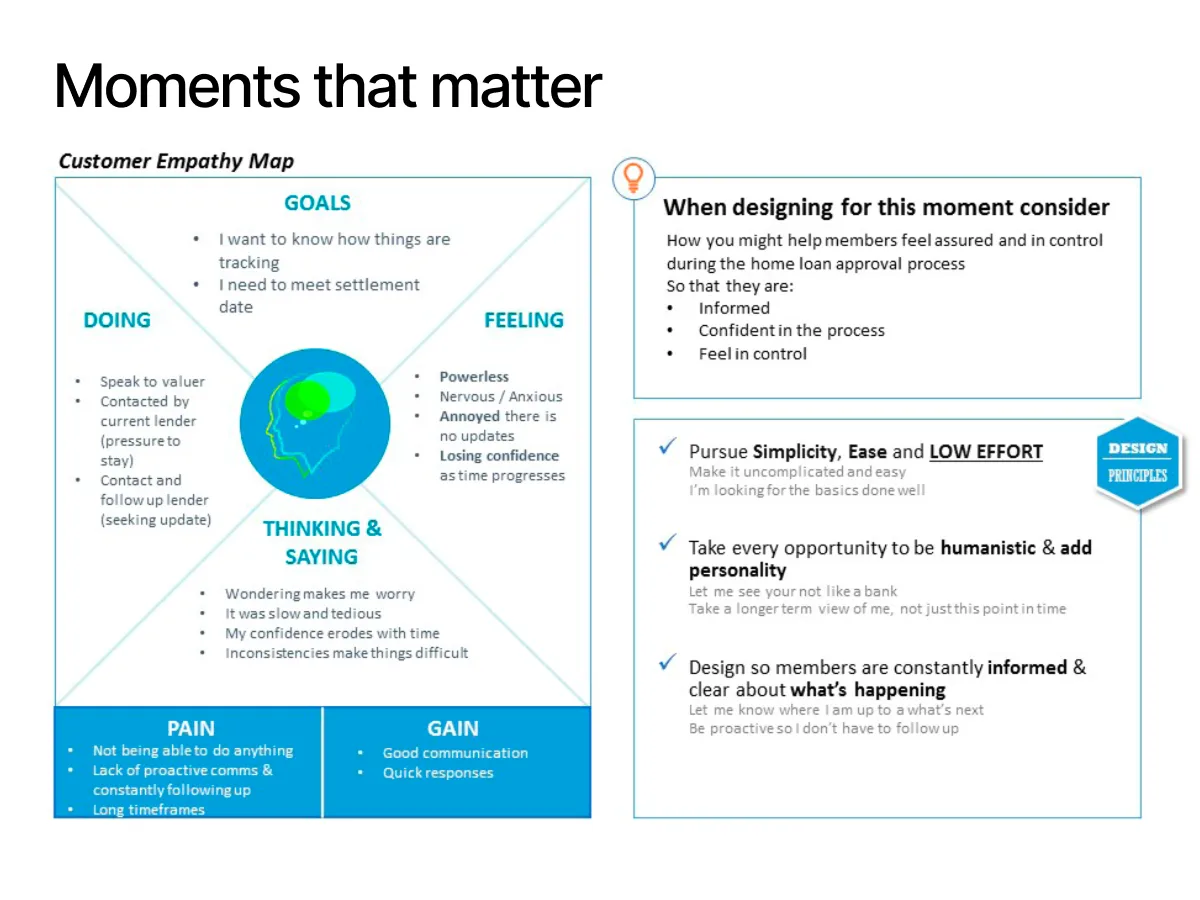
- Anxiety about the approval timeline
- Unclear on where they stood in the process
What the research found next changed where the team focused.
02 / My role
My role
Researcher and facilitator on the discovery work, then prototyped the ideas worth testing with internal users.
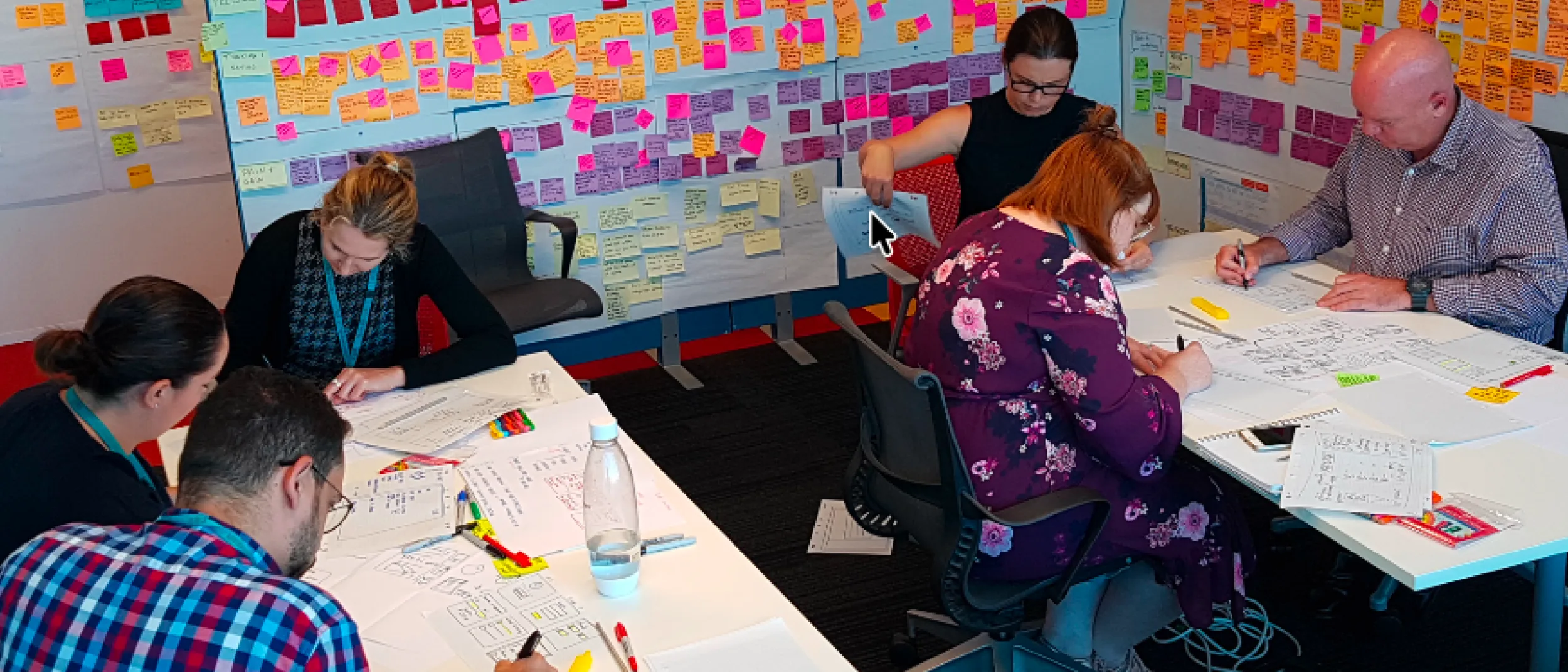
I worked as a researcher and facilitator across the discovery: interviews with customers and staff across the country, journey mapping, and workshops that brought business, lenders and the design team to a shared view of the real problem. From there, I converted the most feasible ideas into prototypes and validated them with internal users before they moved into build.
The double diamond approach
Strategic phase
01. Discover Divergent
Understanding the problem as everyone saw it.
- Interviews with customers, lenders and business stakeholders across the country
- Journey mapping of the current refinance process, before any solutions were on the table
- Confirmed the shared assumption going in: the process needed to be faster
02. Define Convergent
Turning 12 weeks of research into one clear problem to solve.
- Synthesised the research and found the real issue: transparency, not speed
- Reframed 9 internal processing stages into the 3 that customers actually think in: before, during, after
- Workshops with business, lenders and design to align on that reframed problem
Creative phase
03. Develop Divergent
Turning the reframe into ideas worth testing.
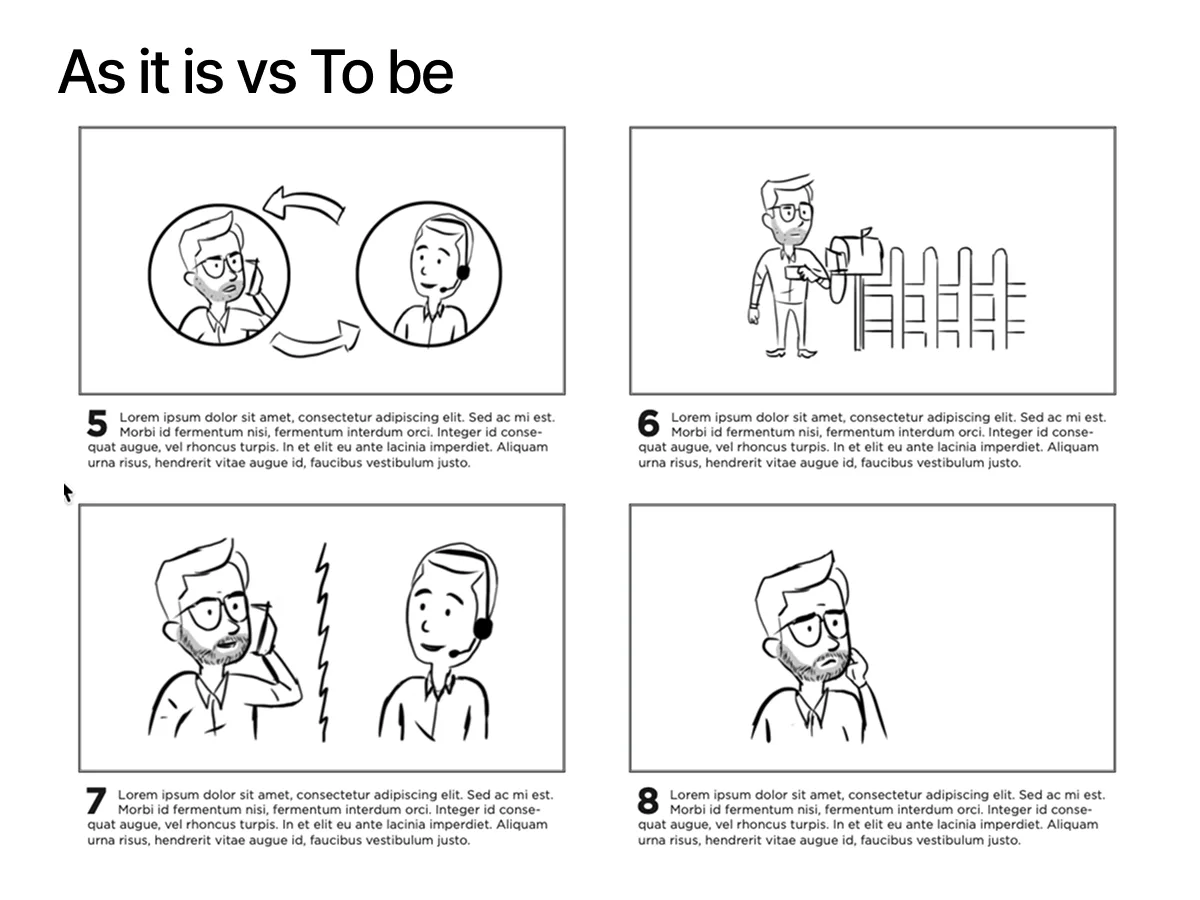
- Storyboarded ways to keep customers informed at every stage of the wait
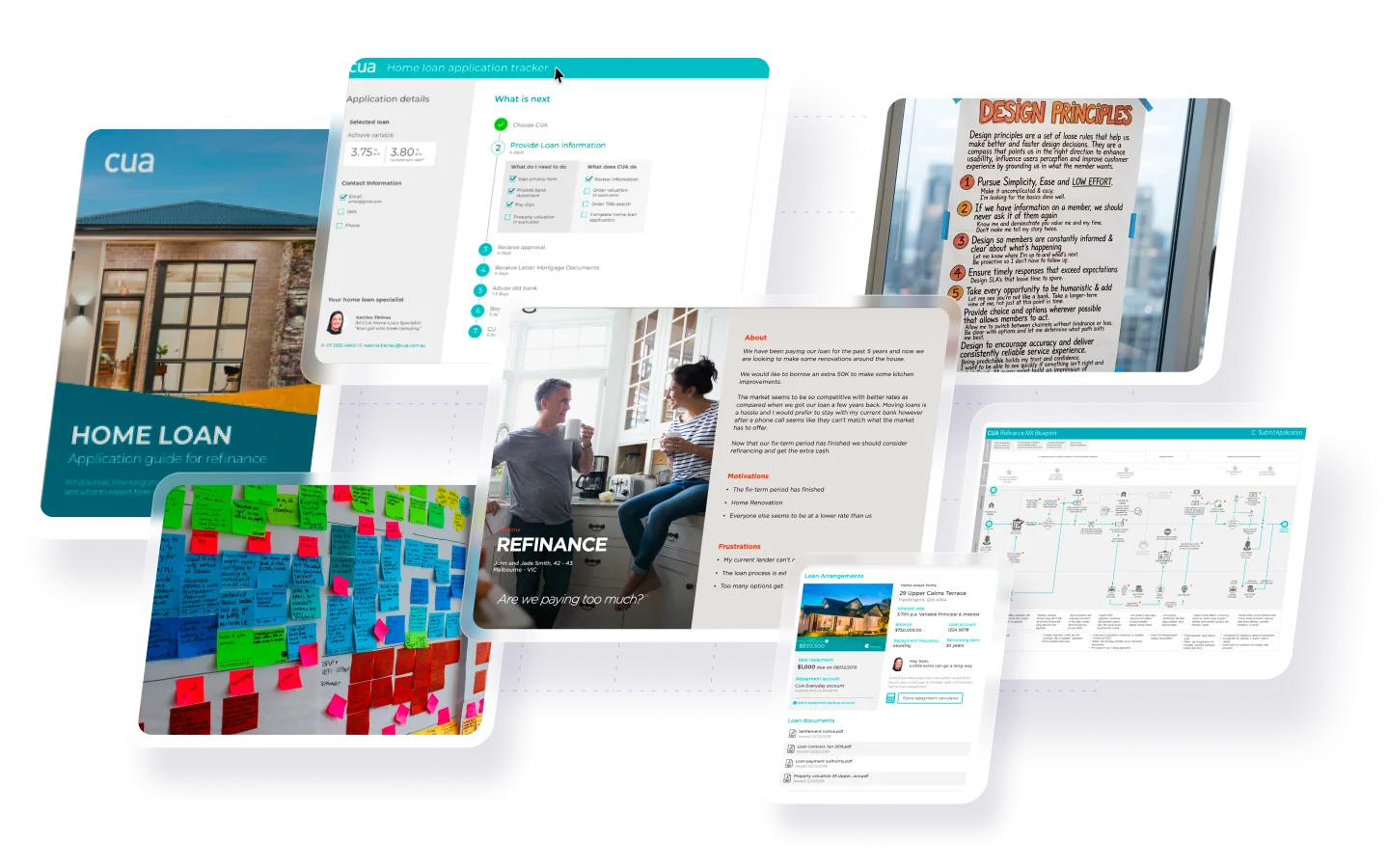
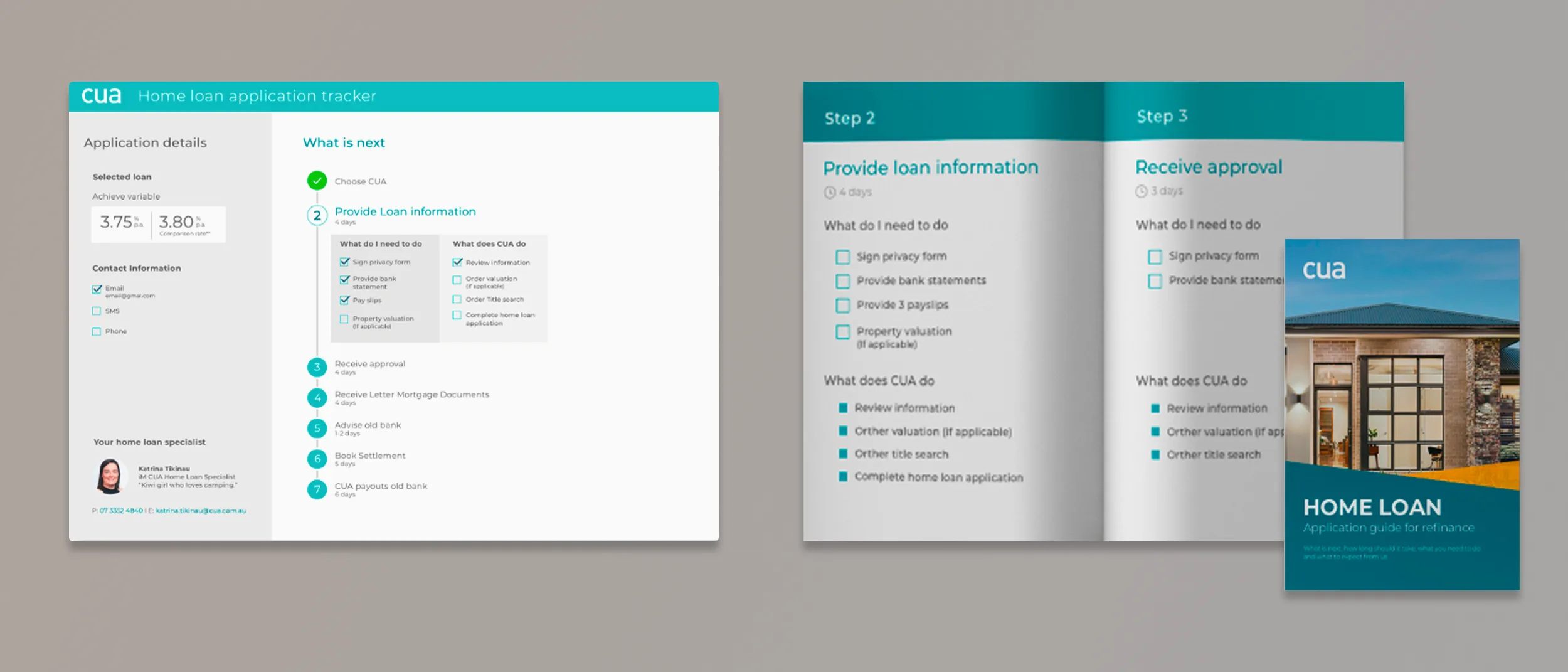
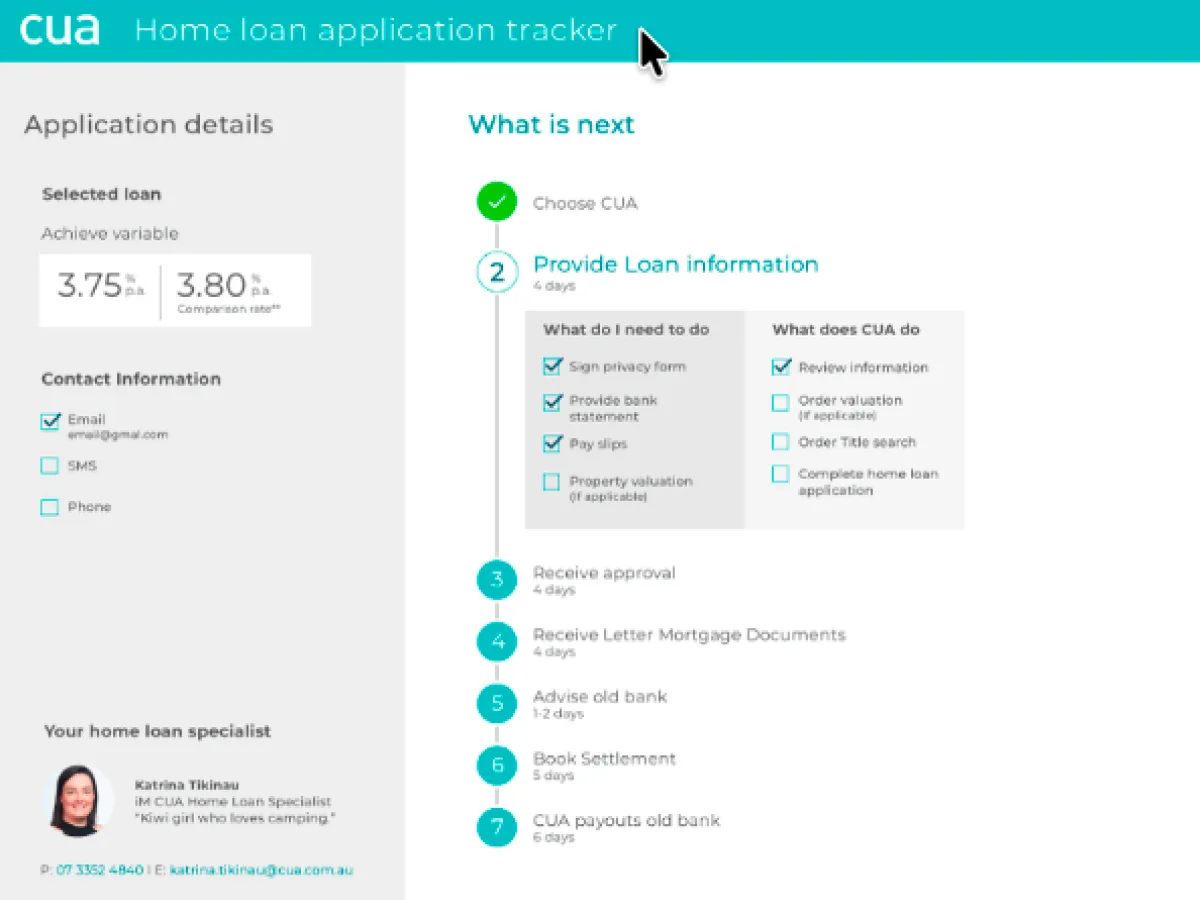
- Prototyped the most feasible concepts: the enquiry form, the confirmation flow, the loan tracker
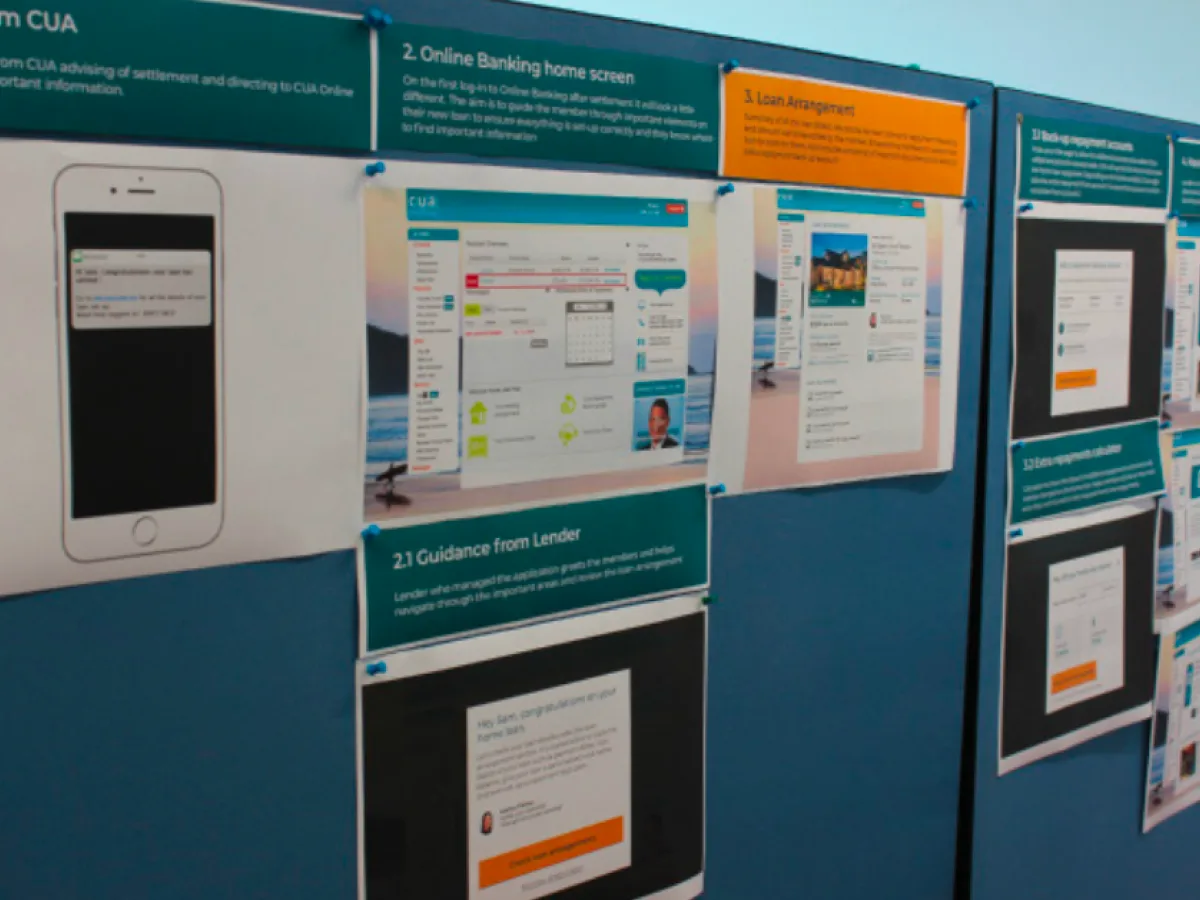
- Validated prototypes with internal users before anything went to build
04. Deliver Convergent
Shipping what could ship now, while the harder problem kept moving.
- Transparency tools launched first: channel choice, human confirmation, the digital loan tracker
- Backend speed improvements continued in parallel as a longer-term programme
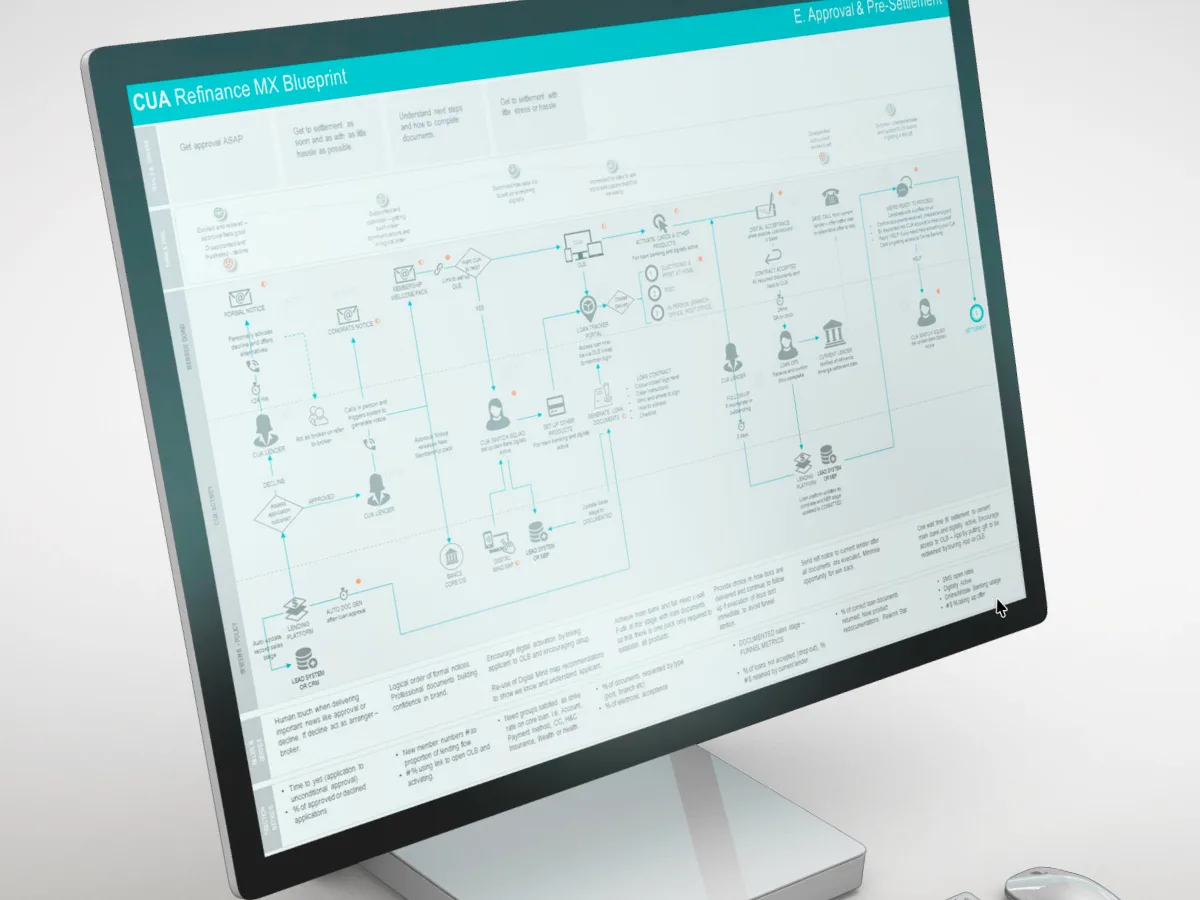
Every decision was grounded in real customer research, not assumption, from persona interviews through to service blueprinting.
03 / The solution
The solution
Transparency first, speed running in parallel. Tools customers could feel today, while the backend caught up.
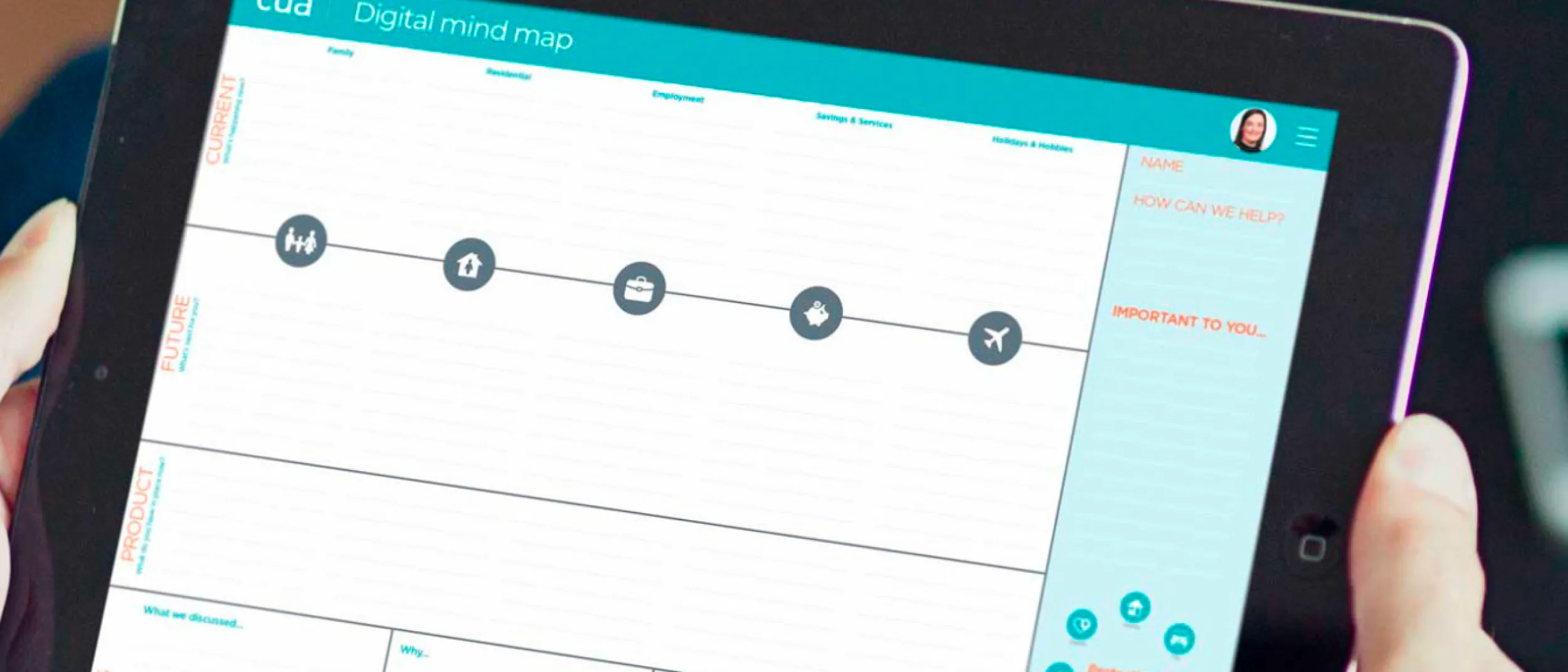
An enquiry form let customers choose how they wanted to be contacted, a call back, a branch appointment, or a mobile banker. The confirmation email that followed put a real photo of their lender to the name, and set out exactly what to bring. At the appointment, the lender worked from a digital mind map to capture goals and match them to the right product.
From there, a digital loan tracker gave customers a clear view of every step, how long it would take, and whose turn it was to act, so waiting no longer meant wondering.
TransparencyValidated with internal usersCustomer centricityEvidence over assumption
Reframing the problem
Business
Consider & investigate
Decide on product
Submit application
Waiting for approval
Approval & pre-settlement
Settlement
Post-settlement
set-up
Ongoing
Re-evaluate
9 internal stages, collapsed to the 3 that customers actually think in: before, during, after.
BeforeSpeed
"We need a faster approval process."
- Better systems
- Newer, integrated technical architecture
- Optimised decision processes
AfterTransparency
"We need clear communication at three key moments that matter."
- Before the appointment: what to bring
- During the application: where are we?
- After approval: what happens next?
The next question was whether visibility alone could change how the wait actually felt.
04 / Outcomes
Outcomes
A reframed problem, not just a faster process. Transparency shipped first, speed work continuing in parallel.
Twelve weeks of research overturned the team's own starting assumption and redirected effort toward the lever that actually mattered: visibility, not speed. That meant the transparency tools could move into build immediately, validated with internal users, while the multi-year backend programme continued as its own separate track.
The reframe itself became the artefact: nine internal processing stages collapsed into the three customers actually think in, before, during, after, and that became the shared reference point for business, lenders and design going forward.
12weeks of researchInterviews, journey mapping and workshops across the customer and lender journey, before a single tool was scoped.
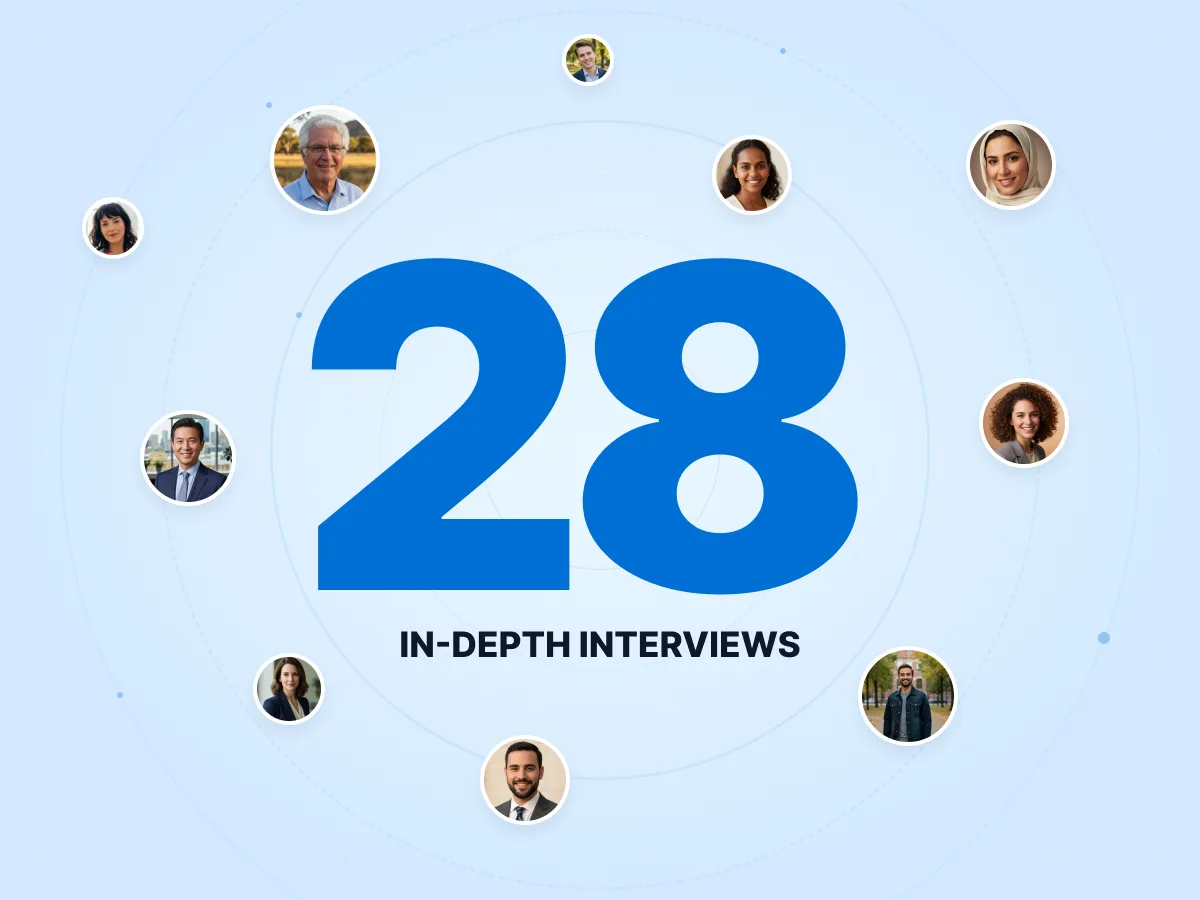
28in-depth interviewsAcross customers, home loan specialists and business stakeholders, surfacing the real barrier: visibility, not speed.
3stages reframedReframed 9 internal processing stages into the 3 that customers actually think in

 Shoot a Hoop